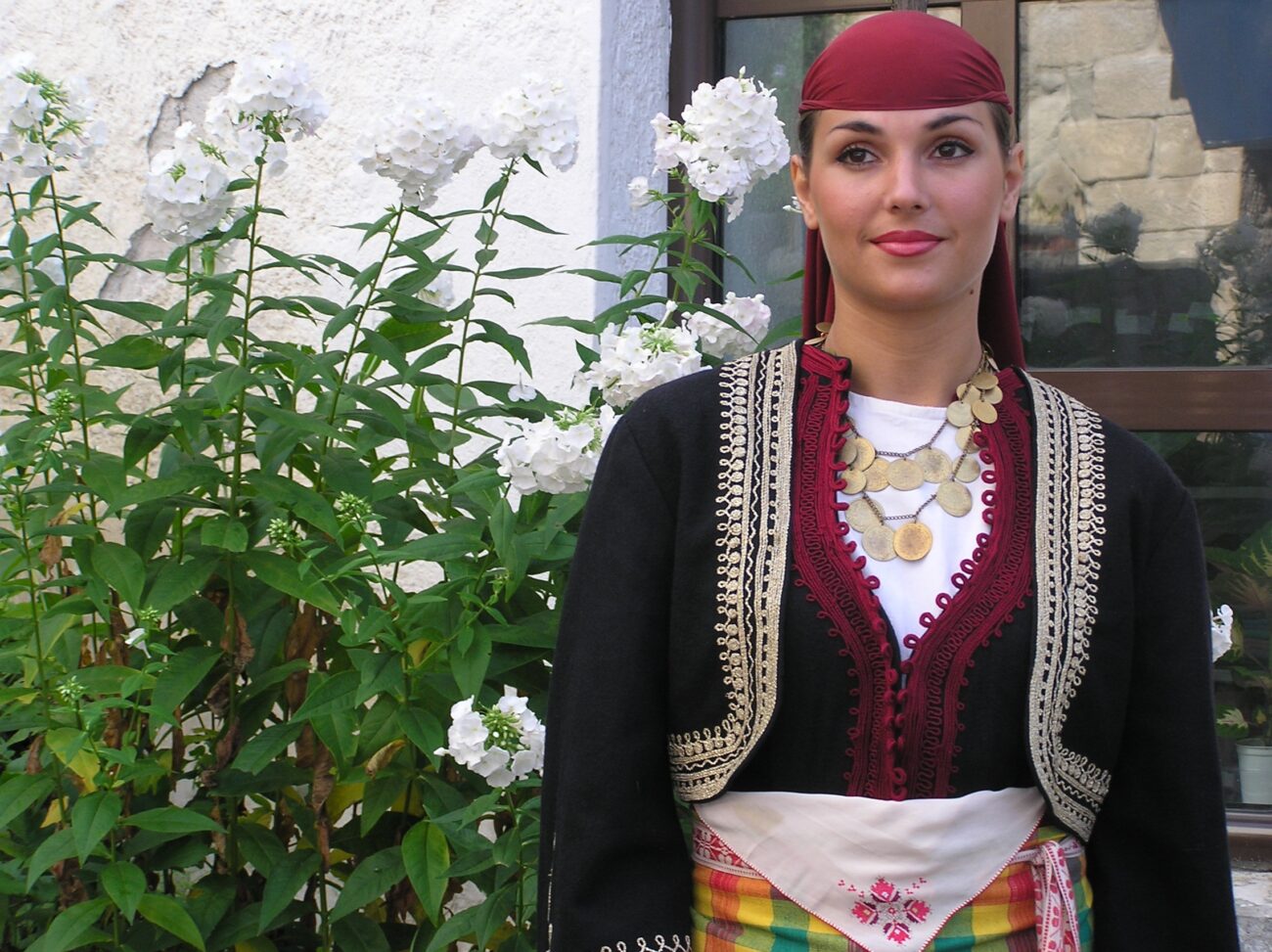
We heard of the village of Kesten when Stefan brought Sevda home as his bride. A slender slip of a girl, with gentle eyes and a sweet smile. They had met somewhere in those parts while our Stefan was in the army. So when we asked her where she was from, she said:
– I'm from Kyostendzhik! Now it's called Kesten.
Well I never, what sort of name had they given that village?! We reckoned there must be lots of chestnuts (kesten) there, but nobody ever did find out where that village might be. Stefan was a silent, difficult man, but this girl had a little voice like a bell, and when she talked in her own way, it was as if she were singing. Sometimes we didn't understand exactly what she was saying, but it warmed your heart just to listen to her. So, understanding or not, we all nodded our heads and answered her with nothing but ‘Yes’ and ‘All right’. When Sevda laughed, she didn't giggle quietly like our girls. Her laugh was clear, and she spread it through the village like sunbeams, so that even someone weighed down by sorrow would lift his head and smile. Not that the fellow knew why he was smiling – it was just that Sevda's laughter was catching.
We grew used to this girl in our village, and we were very worried when we noticed that a few months after she came to us as a bride, her laughter was no longer heard. And if we met her in the street, she would turn her head away and only murmur a quiet ‘good day’. Her eyes grew dull, their light gone out. As if the girl were ill. When I met Stefan, I asked him. But he only hissed at me not to poke my nose into what was none of my business, and hurried past. But in a village nothing stays hidden for long, and word got round that Stefan had raised his hand to her. I'm an old man, not even a relative of theirs, and I live at the other end of the village. But I felt ashamed before Sevda for what Stefan had done. As if I had been the one who hit her! So whenever I met her about the village, she would turn her head away and I would look the other way, or stop until she had passed. So that we wouldn't meet.
Until one evening I met her in the narrow lane by the fountain. The girl had been to fetch water. I couldn't hold back: I stopped her and told her that if there was anything I could do for her, she should tell me, as she would a father. Then Sevda set the demijohns down on the ground, sat down beside them on a stone and began to cry. My heart turned over. It's a sin, I tell you, a sin! Like watching one of God's angels weep, its wings hanging helplessly. Oh, Stefan, Stefan! If you're blind, you've no need of a lamp – and you brought home the sun.
– I can't bear it any longer! – said Sevda. I could put up with sorrow if only I were at least in the mountains, but here even the stones are strangers to me.
– Mountains or no mountains, sorrow is still sorrow, Sevda – I told her.
– You don't know our mountain, that's why you talk like that.
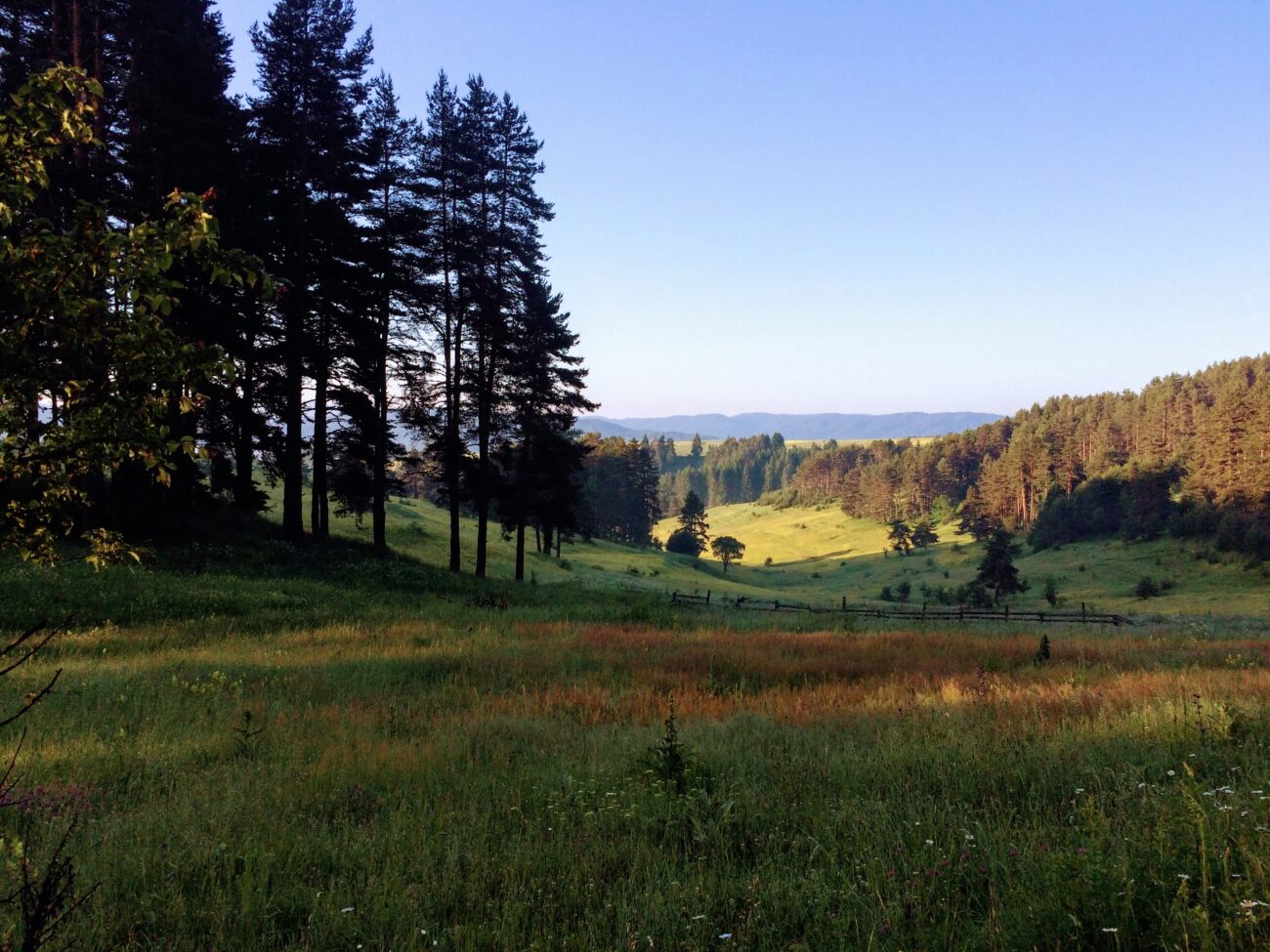
She's not like your plain here – flat, flat, and so flat it couldn't care less. Nor is she like other mountains – some haughty, some puny. Our mountain is like a mother. However great the sorrow, she will have herbs to heal it. She will hold you in arms warmer than human arms, and the thing that poisons you, loneliness, she will melt away with nothing but an embrace. Wherever I am in her, I never feel alone. I told Stefan we should go there, for two days at least. To pick myself a sprig of mountain tea, to hug one of our trees, to drink a little water from the river while the mist is embracing it.
– But why do you hug the trees, Sevda? And what sort of mist do you have there, that it changes the taste of the water? You talk to me as if of some place in a fairy tale.
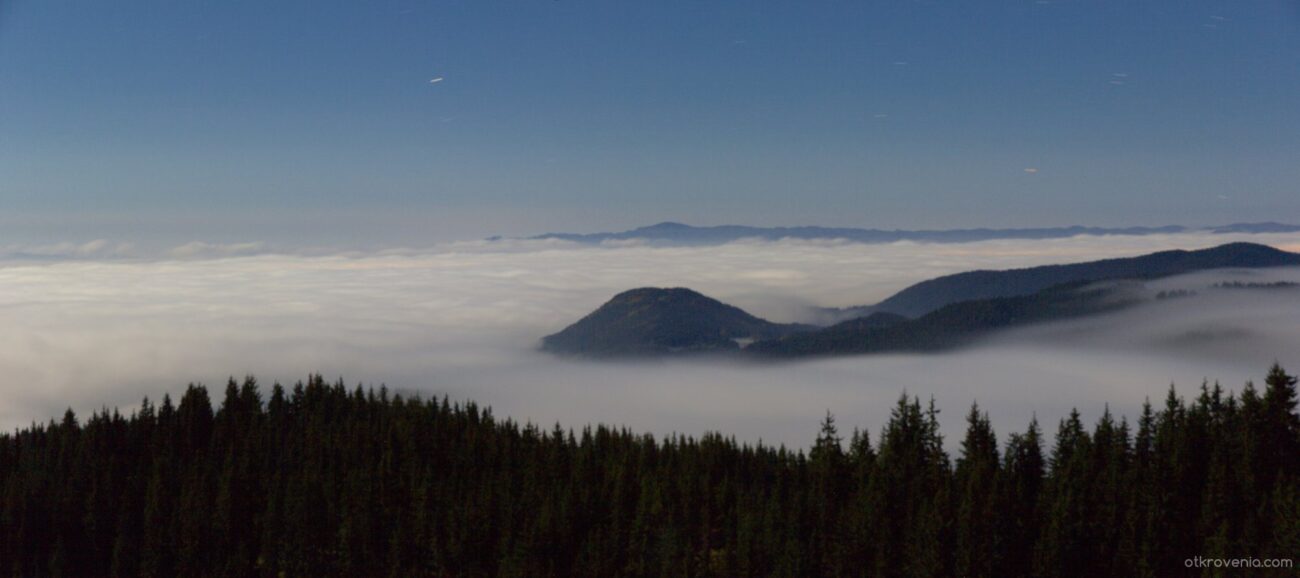
– The trees there draw the blackness out of souls. When we hug a pine in our mountain, we press our chests against the tree, and while we hold them like that, the trees drink. They drink the sorrow, the poison and the hurt out of our souls. The mountain heals us! And the mist… first it goes all round the meadows. It stops at every flower and herb and strokes every pine cone. It takes a little of their scent and turns it into a feeling of home and a cure for the lost. So when it settles over the river, you drink the mountain's tears with your mouth and breathe calm and peace into your chest. That's why I tell you, Rhodope is like a person. She speaks, she weeps and she laughs.
– That village of yours must be bewitched. How can a mountain have a voice? – I marvelled, and Sevda bowed her head, wiped a little tear from her cheek and took up the demijohns to go. She turned her pretty little head towards me and said:
– Even if you heard her voice, you wouldn't understand it. She speaks with a breath of wind, sings with the bells of the flocks, and pours out her anger in waterfalls and chasms. She is like a person to whoever hears and understands her. And I have two mothers – the one who bore me, and the mountain that raised me and kept me safe. I must go, I've been too long, and Stefan is cross about something again. And if you really want to help me, tell him to take me there for two days at least, just long enough for my life to make sense again.
Then she lifted the demijohns and hurried off with them along the narrow path, towards her greatest mistake. Well, well! We had thought this unheard-of village was something quite ordinary, but the way Sevda described it, it must be a magical place, one we knew nothing of. Only a month later Stefan had beaten the fragile girl so badly that the mayor sent word to her father, and he came with the gendarmes and took Sevda away to her magical mountain.
Before she got into the car and left, she turned her eyes towards me. Her eyes were bruised and half-closed from the beating, and her lips were split. But through the slits of her eyelids, it was not tired, sad, dimmed eyes that looked at me. A blazing sun was burning there. When she saw me, her lips, broken by the beating, stretched as far as they could, and I saw the happiest smile my eyes were ever destined to see.
She was going to the mountain of her dreams, to her Kyostendzhik, and nothing else mattered any more. I waved after the car, sorry that I would never see this girl again and yet glad that she was going where she belonged. Where her home is! And Stefan…?! A blind man has no need of a lamp – and he brought home the sun. The sun has gone, but it's all the same to him whether it's the sun shining or a firefly. He eats a cold, dry supper all by himself; he waits for no one, and no one waits for him. And his life is in his ten buffalo cows and five decares of land.
When I woke the next morning, it was as if I saw with my own eyes the mountain opening her human arms to welcome her lost child. Then the trees hugging her and drinking the sorrow from her soul, and the mist anointing her eyes and mouth with healing herbs to make her well. And something came over me – something magical and joyful. As if I too were there with her, in that village of hers… what was its name again.
I never did find out where that village is, but at least I know now that it exists, and that whatever happens, and however it happens, in the end everything and everyone comes back to where they belong!
I wrote this story in the Rhodopes, in the village of Trigrad.
By Nikolay Nikolov – Nicky