
PHOTOS
VIDEOS
IN BRIEF
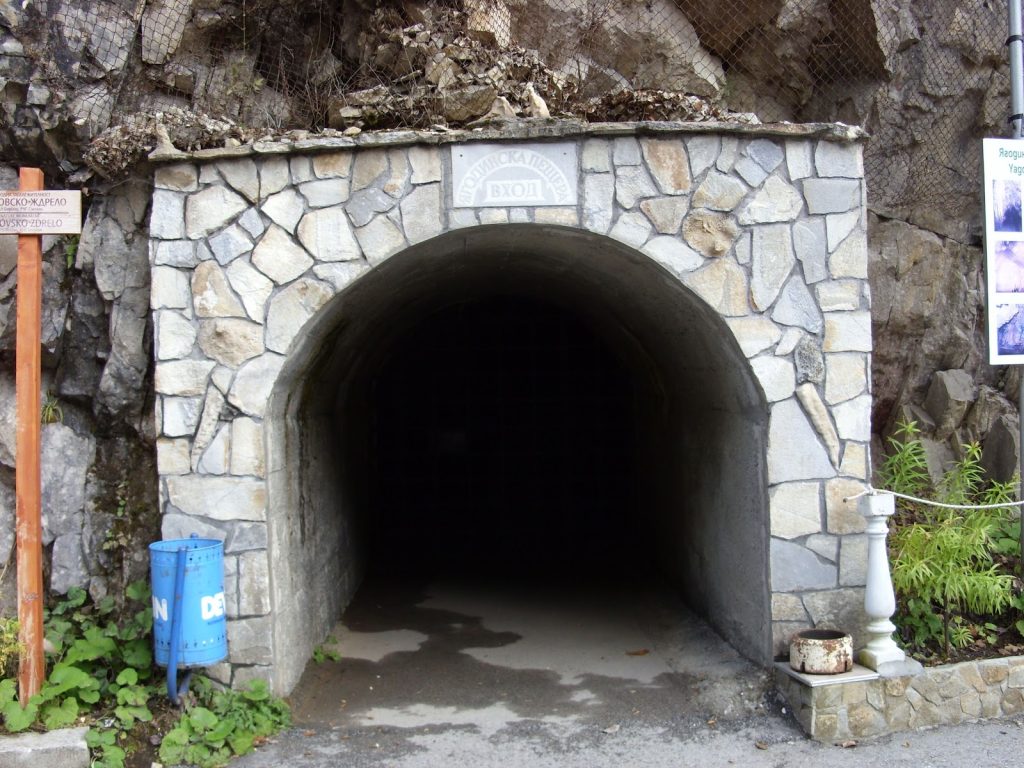
The longest of the Rhodope caves is Yagodinska Cave, until recently called Imamova Dupka. It is easily reached from Devin along the road to the village of Yagodina.
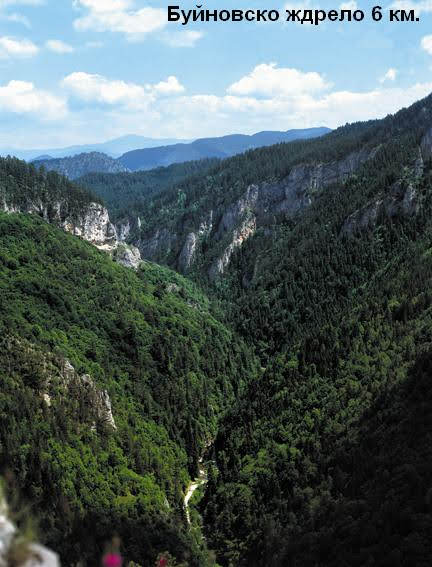
On 21 April 1971 the area of the Buynovo Gorge and the Yagodinska Cave linked to it were declared a natural landmark.
The first to enter and explore Yagodinska Cave were cavers from the town of Chepelare, led by the tireless D. Raychev, then chairman of the caving club.
Yagodinska Cave is a complex, multi-level cave system of wide and narrow tunnels. Right from the entrance cool, damp air wafts out, a herald of the unknown underground world.
After a gently rising tunnel you enter the visitor tunnel, where the ceiling rises and the floor, covered with river sand and clay, widens.
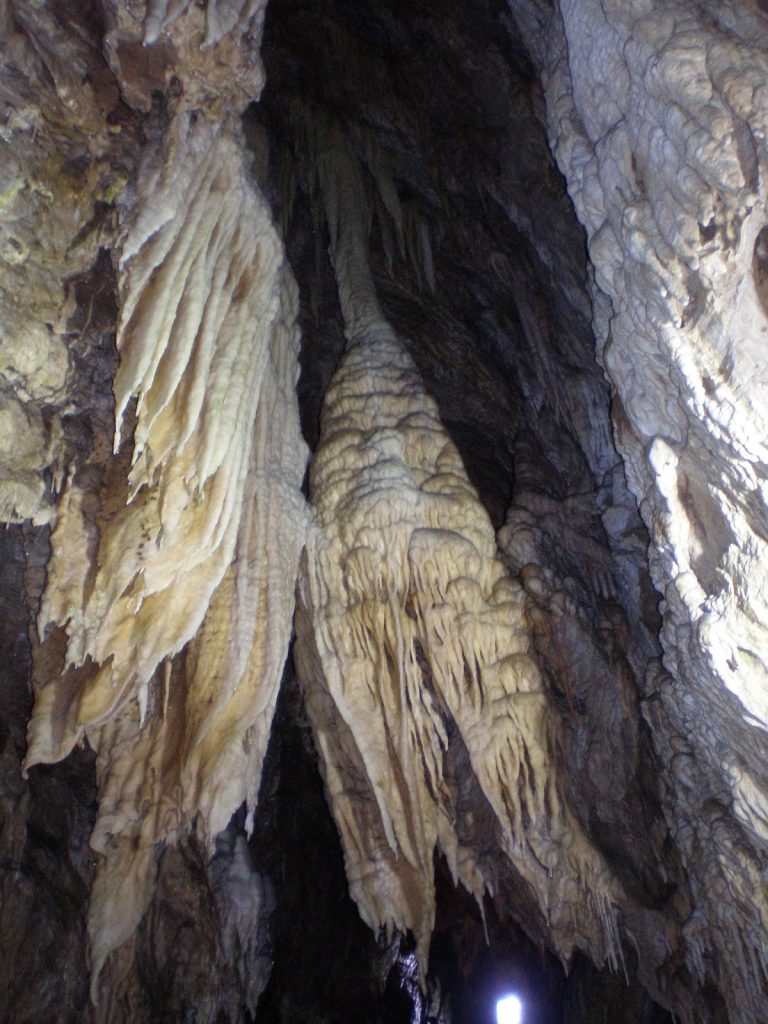
On this visitor level of the cave, the most lavish calcite decoration is in the New Year Hall. Its name comes from the fact that the cavers from Chepelare saw in the New Year here for more than 20 years.
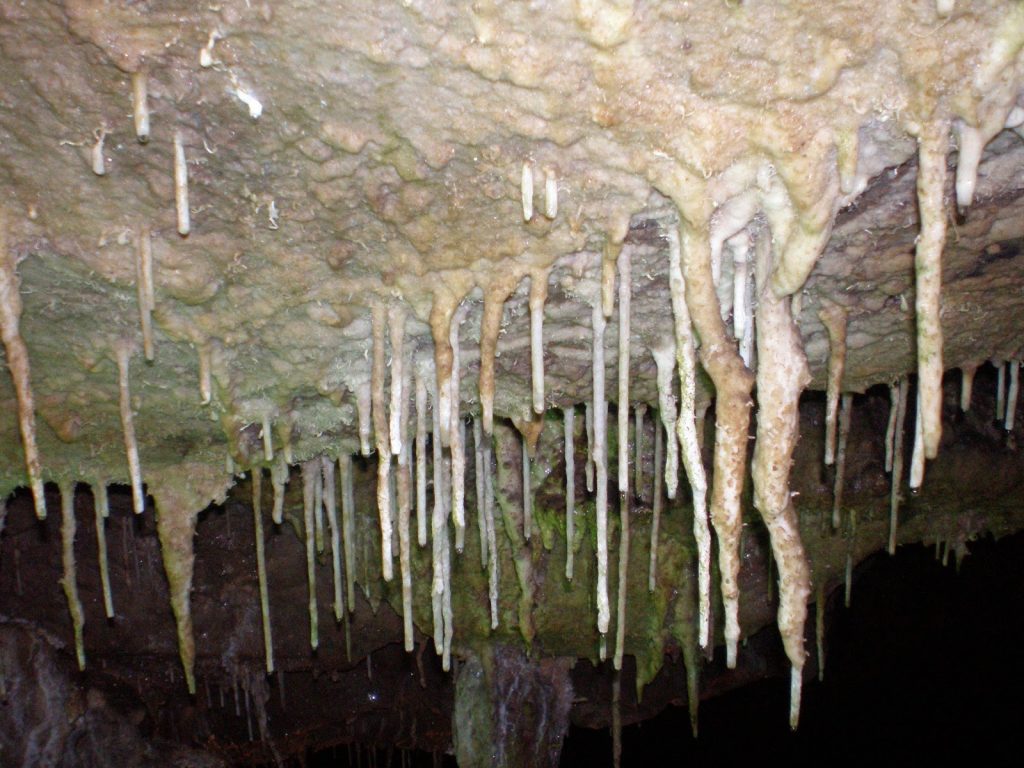
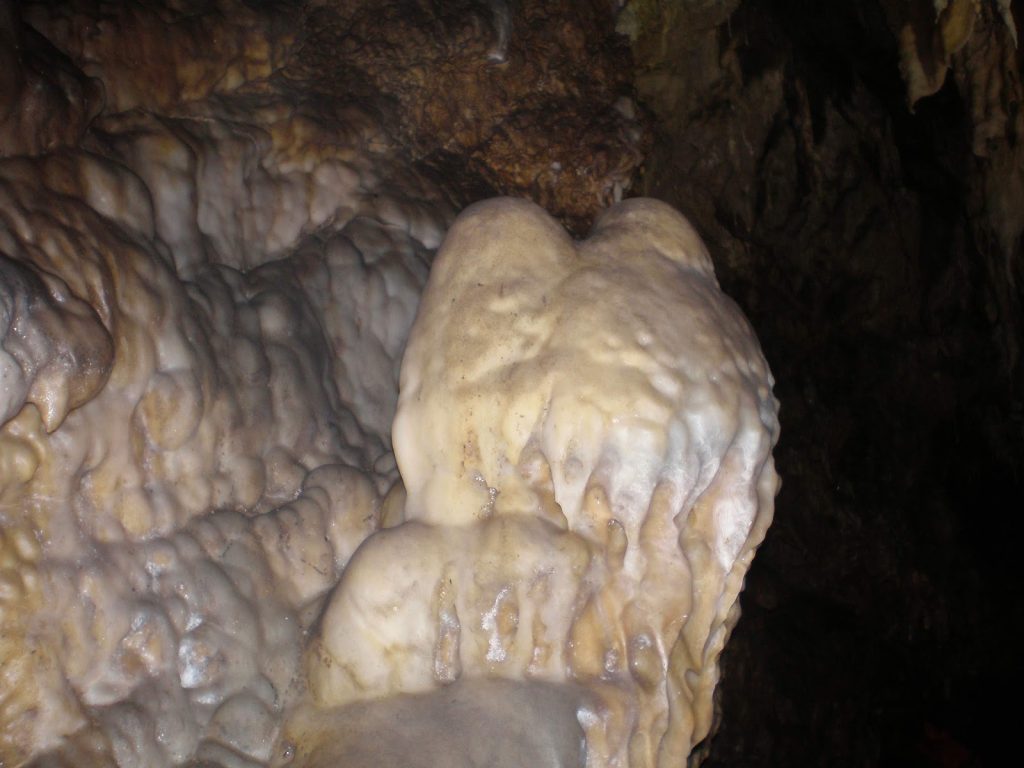
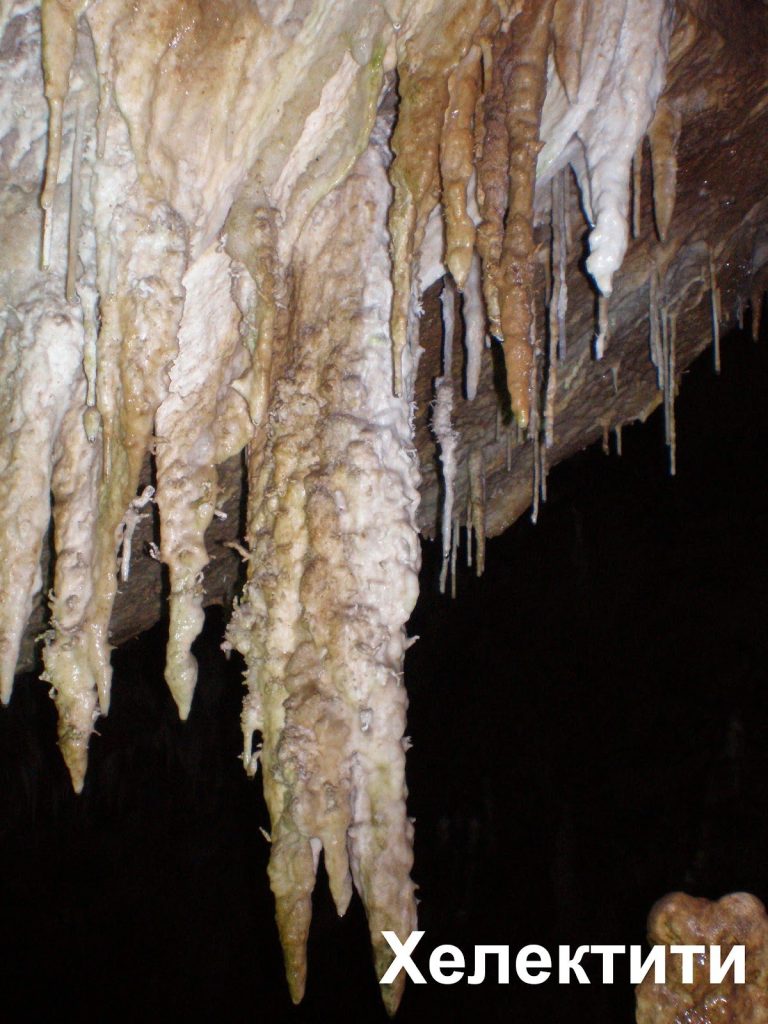
From the New Year Hall visitors can admire the fairy-tale calcite decoration of thousands of snow-white stalactites of different sizes and shapes.
On the ceiling towards the end of the visitor level of the cave we can admire the so-called tiger skin. Here the winding grooves and small hollows of the marble ceiling are filled with red clay and resemble a tiger's skin.
Archaeology
Yagodinska Cave is an interesting archaeological site. The entrance chamber of the old (upper) level of the cave was inhabited in the Eneolithic, the Bronze Age and the Iron Age. Interesting graphite decoration on the pottery speaks of the skill and artistic sense of the makers of the ornaments.
The upper level of the cave has not been spared by treasure hunters' digs, which have destroyed valuable remains of the material culture of its Eneolithic inhabitants.
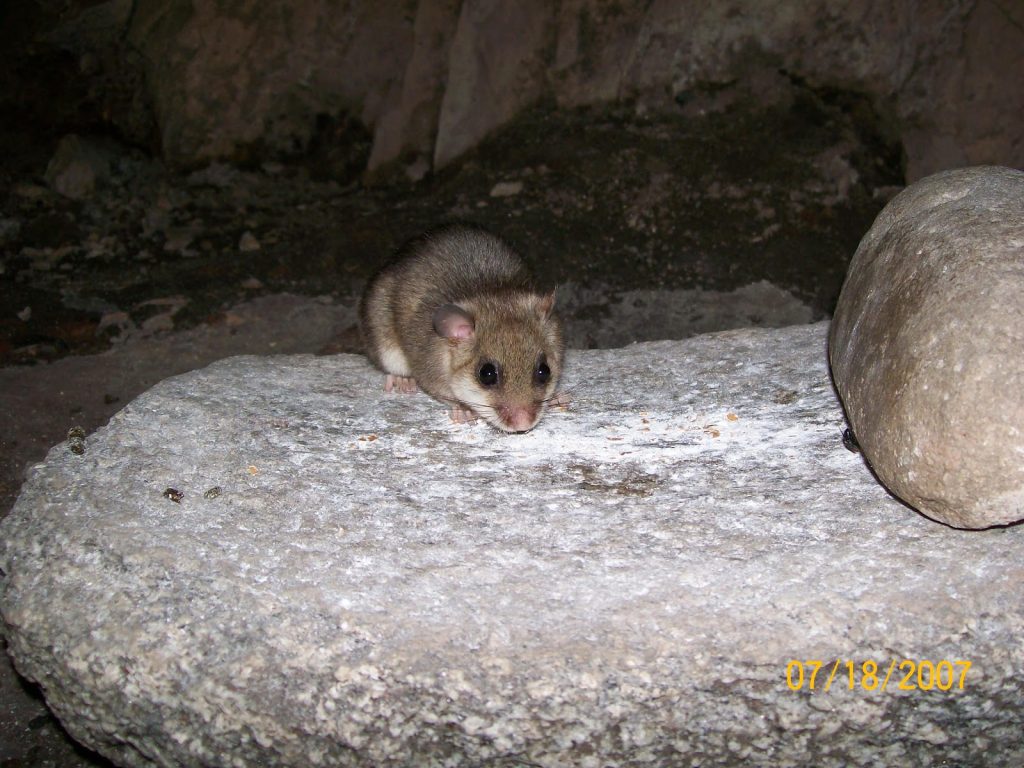
Typical cave dwellers
The centipede and the woodlouse are typical. There are 4 species of spider. The most characteristic bats are Bechstein's bat, Geoffroy's bat and the serotine. They are most numerous in the Bat Hall.
How the cave formed
Yagodinska Cave formed in Proterozoic marbles. The marbles are usually white. They are massive, thick-bedded, and fine- to medium-grained. Their calcium carbonate content ranges from 90 to 95%.
The uppermost level of the cave may be assumed to have formed about 280,000 years ago. The middle level took shape 150,000 years ago, and the lowest level 25,000 years ago.
Yagodinska Cave was equipped for visitors in 1982. Stairs and small bridges were installed.


