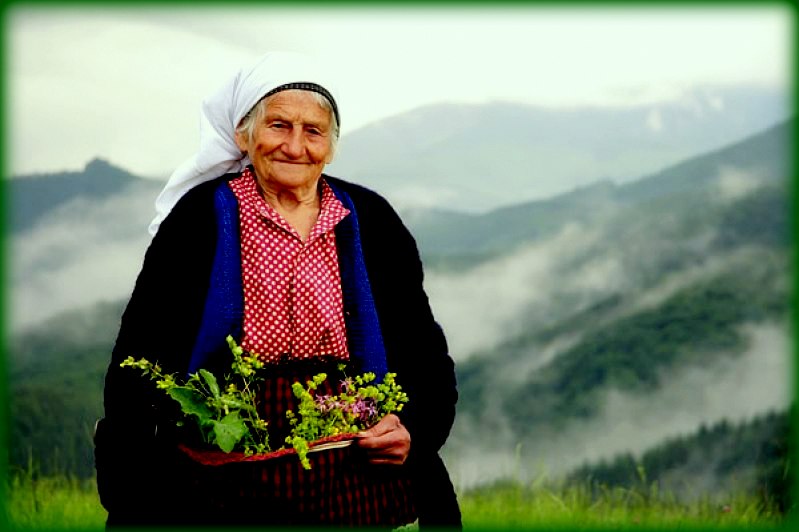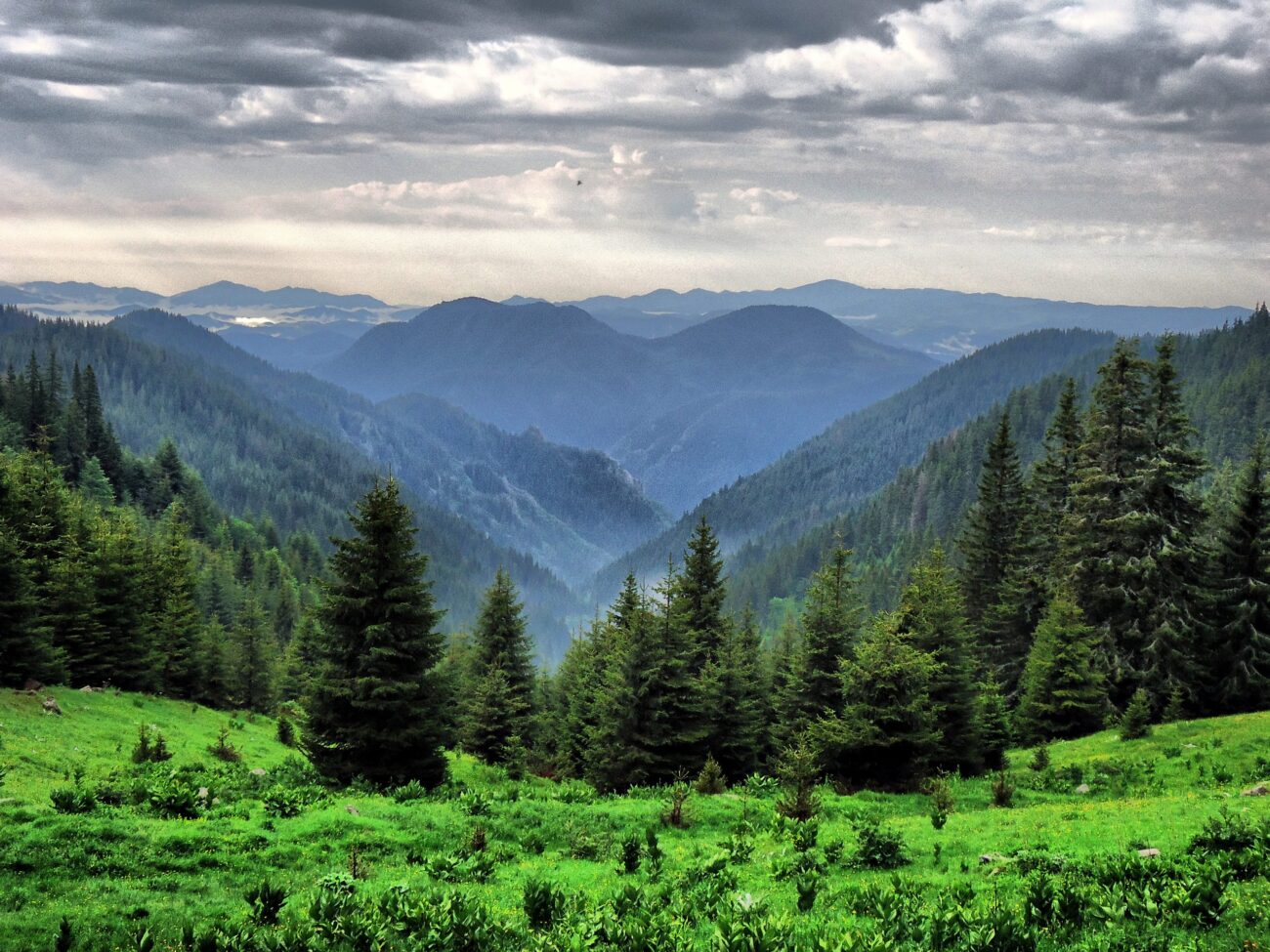
The Rhodope Mountains carry an inexplicable energy of their own, which passes to everyone who visits them. The people are warm-hearted, the stories captivating, and the atmosphere makes you feel at home the moment you set foot within them. Yet the songs of the Rhodopes carry within them a sadness, a heaviness, that cannot fail to be felt.
Without doubt, the song that made the mountains famous is ‘Izlel e Delyo haydutin’, but the one regarded as their anthem is quite another.
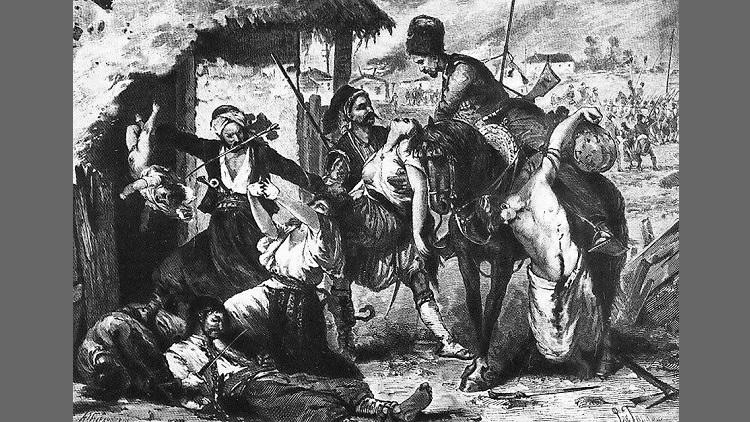
We find the roots of the legend of how ‘Bela sam, bela, yunache’ came to be in the dark times when the Janissary corps of the Ottoman Empire was at its height and Bulgarians were forced to go far from home as seasonal labourers to feed their families. In those times the most terrible thing that could befall the Rhodope lands was for the people to be converted to Islam and the villages burned.
The legend tells of one of the many Rhodope villages where, in spring, the men would set off with their sheep for the Aegean coast to work away from home, leaving their wives and children alone.
And so one day a young lad set off on the long road too, together with the older men of the village. He dreamed of gathering a dowry so that he could ask his sweetheart's parents for her hand. The two of them were always together on the village square, joined the horo side by side and longed for the day when their love would grow into a family with many children.
What they did not suspect, however, was that in the forest nearby there were bashi-bazouks, just waiting for the village to be emptied of its men so that they could plunder it and defile the women. Fortunately, a quick-witted old woman spotted them and gathered all the maidens together.
She led them high into the mountains, to Karlak peak (today Orpheus peak), where she hid them in a cave. There she blackened their faces with charcoal and dressed them in sheepskins. In this way the beautiful girls came to look like wild people and would be protected from the threat that hung over their homes.
So the days and weeks went by. The old woman carried food to the cave and looked after the girls, until the day came when their loved ones returned from working away. But when the men went to their sweethearts, they were repelled by the way the girls looked and smelled.
All of them fled from the wild women except one. One young man stood at the mouth of the cave and gazed into their eyes, hoping to recognise his beloved, whom he had not stopped thinking about all the time they had been apart. Suddenly his gaze came to rest on two eyes that held just as much love and hope. Then the girl stepped forward, wiped her face and began to sing:
Bela sam, bela, yunache
I am fair, fair, young man,
I have lit up the whole world.
Only Karlak was left
and it would not have been left, /2/
but it was sunk in fog.
In the fog there was nothing,
only a dark-eyed shepherd boy, /2/
and a fair girl.
This article was provided by our partners at Bulgarian History