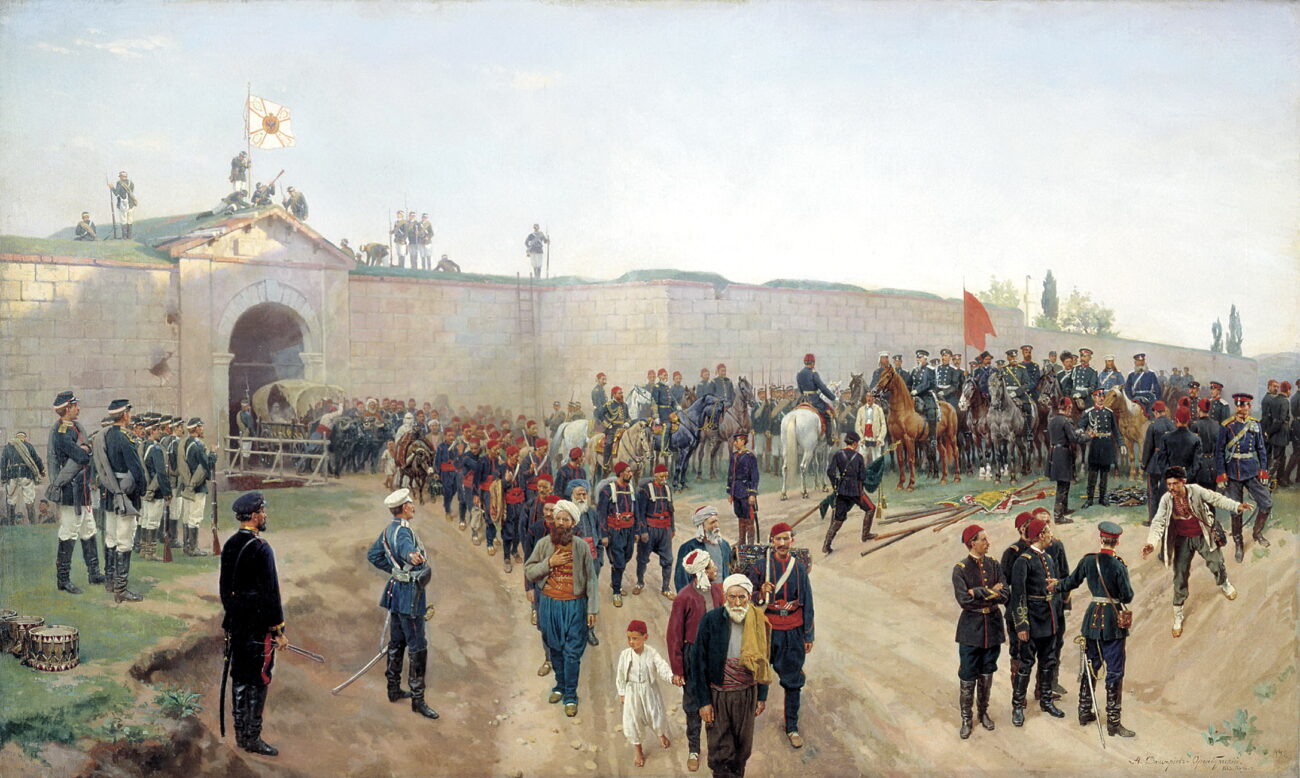
After the Russo-Turkish War of 1877–1878 Bulgaria was liberated, but the liberation of the Rhodopes from Ottoman domination came in 1912.
Liberation from Ottoman rule
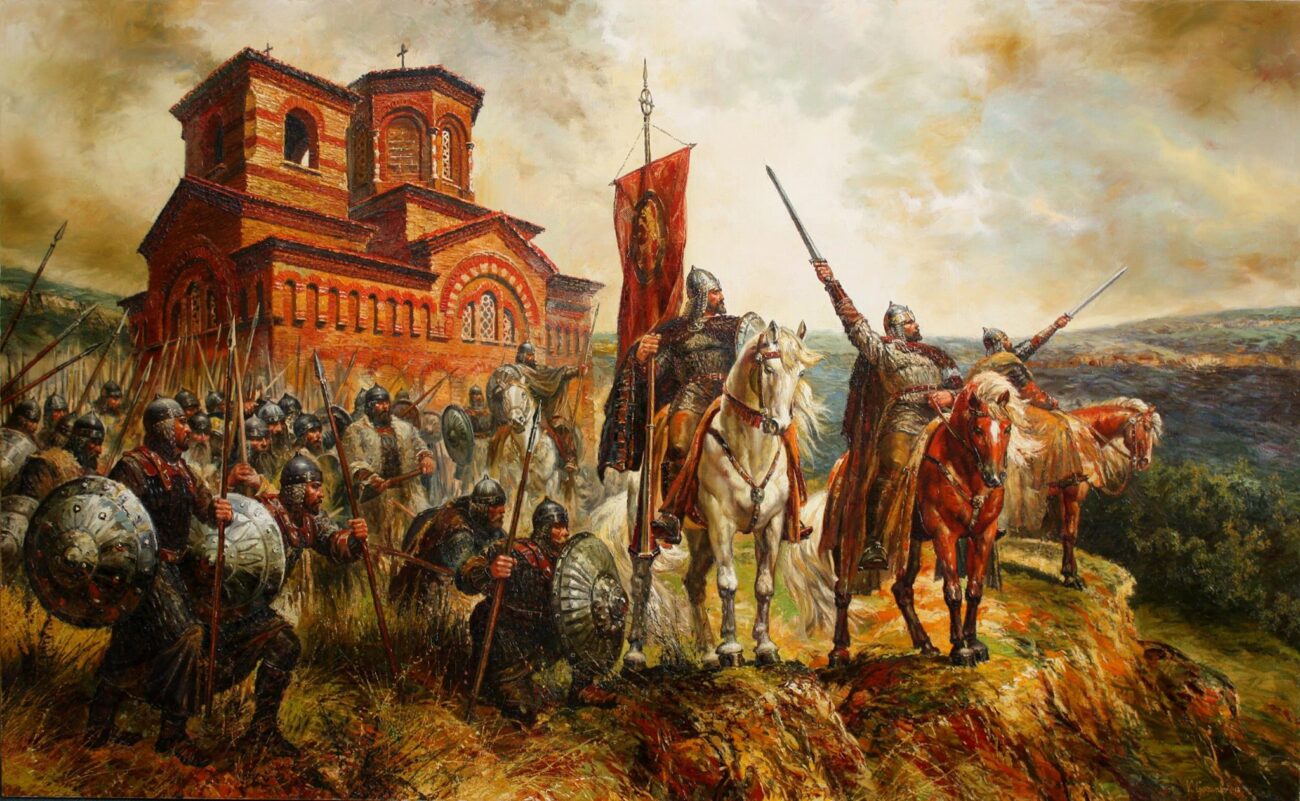
Liberation from Ottoman rule opened a new page in the social and historical development of the people of the Rhodopes. Opportunities arose for bourgeois-capitalist relations to develop and take hold in this remote region as well.
As a result of five centuries of Ottoman feudal rule, heavy exploitation and political oppression, the Rhodope region found itself badly backward, both economically and culturally. This backwardness persisted throughout the entire period of capitalist rule.
The Treaty of Neuilly
The consequences of the unjust terms of the Treaty of Neuilly fell especially hard on the people of the Rhodope region. Their main, centuries-old livelihood – stockbreeding, partly farming, and crafts tied mostly to the forests – declined catastrophically. The new political border cut the Rhodope settlements off from the Aegean plain and so deprived these people of their chief means of making a living. Economically, the Rhodopes came to resemble ‘an organism cut in half’.
But being cut off from the Aegean coast was not the only cause of the dire situation into which the vast majority of the population fell. It was not even the main cause. The source of the misery, hunger and despair lay first and foremost in the nature of the capitalist social system that dominated the country.
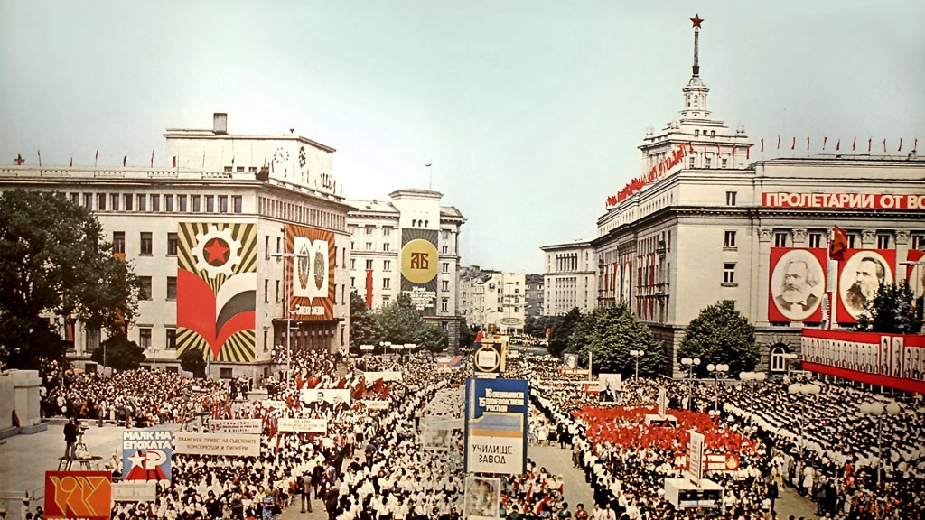
The Bulgarian bourgeoisie, and especially its fascist-leaning wing, which on 9 June 1923 overthrew the lawful government of the Bulgarian Agrarian National Union (BZNS) in an armed coup and established a bloody dictatorship, did nothing to remove or limit the misery and poverty of the Rhodope population; instead it tried in every way to drain the last of its lifeblood. In the post-war years capital began to penetrate the Rhodope region rapidly. Here and there paved roads began to cross the Rhodopes. The growing needs of the domestic market turned the eyes of quite a few timber merchants to the Rhodope forests. Capitalist exploitation in the Rhodope region took on a most ruthless and predatory character.
The revolutionary workers' movement
Along with the development of capitalism, and above all after the First World War, a local working class began to grow in the Rhodopes, and the revolutionary workers' movement gradually emerged. In the more central and livelier small towns and villages of the Rhodopes, party organisations sprang up and gradually strengthened their influence over the local population.