The Thracians (8th to 5th century BC)
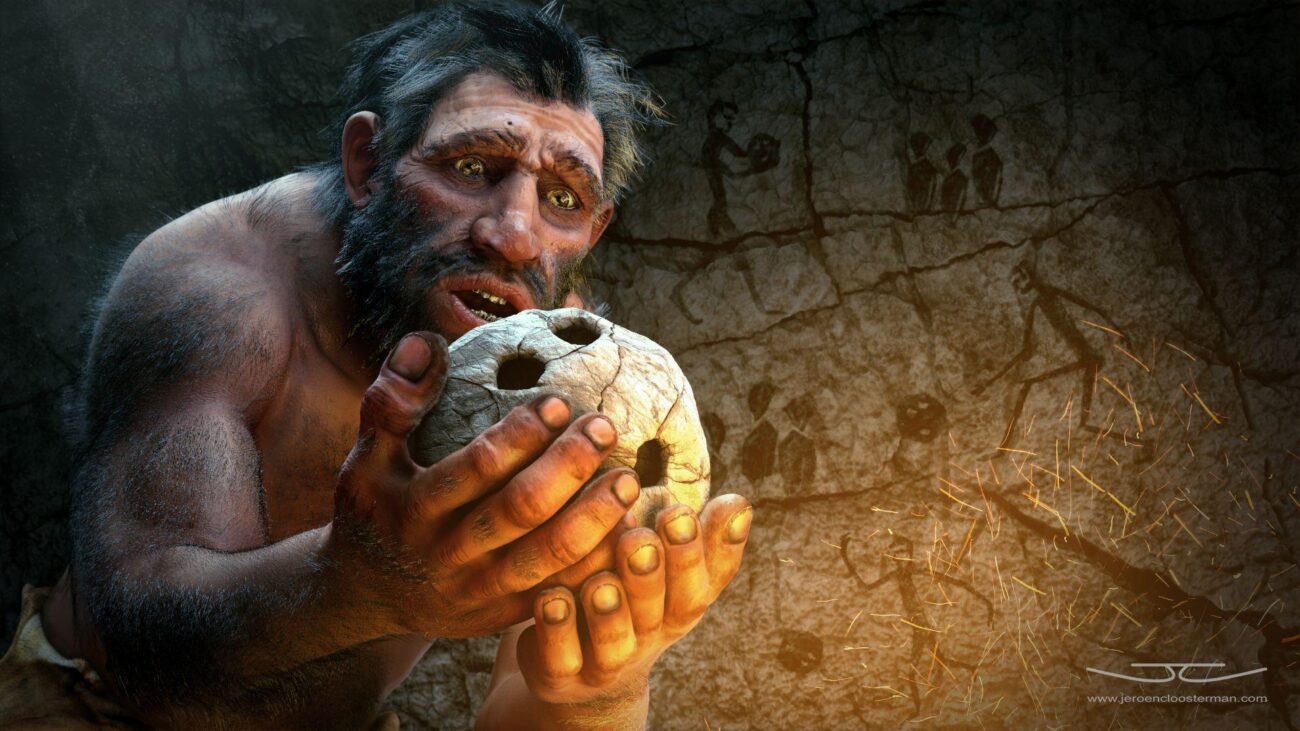
Traces of prehistoric humans are found in quite a few places in the Rhodopes. But life in the mountains developed rapidly after the Thracians settled here. They were a numerous people of Indo-European origin. At the beginning of the first millennium BC the Thracians settled most of the Balkan Peninsula. They led a settled way of life and knew how to till the land, raise domestic animals, mine ores and cast copper and iron, forge weapons, fashion vessels, statues and ornaments, and mint coins. All this shows that they had a rich material and spiritual culture.
The Thracian tribes were many, but they did not manage to unite. A number of Thracian tribes would later go on to create states of their own, but they would never achieve full unification. On this point the Greek historian Herodotus (5th century BC) wrote: ‘If the Thracian people were ruled by one master and were of one mind, it would in my opinion be invincible and far stronger than all other peoples.’
Some of these tribes, perhaps the most freedom-loving, inhabited the Rhodopes. Thus the Coelaletae lived in the valley of the Arda river, the Krotili and the Sapaei in the bed of the Chepelarska river, the Satrae in the valley of the Chepelarska and Vacha rivers, and the Bessi on the upper reaches of the Maritsa river (the Hebrus).
Conquered by the Macedonians (4th century BC)
In 341 BC the Macedonian king Philip II, at the cost of much blood and many lives, subdued the Rhodope Thracians, but under his famous son Alexander the Great the proud children of the mountains freed themselves.
Conquered by the Romans (1st century BC to 4th century AD)
Three centuries later, despite 150 years of stubborn resistance, they were conquered by the Romans. The Romans created the province of Thrace, within whose borders the Rhodopes fell entirely. Traditionally they gave wide rights to the local tribes, aiming at their gradual assimilation into Roman culture. Roads were built, ores and metals were actively mined and the hot mineral springs were used.
After Christianity was declared the official religion of the empire at the beginning of the 4th century AD, the Rhodopes were gradually Christianised and churches and monasteries were built.
After the death of Theodosius I (395) the Roman Empire was divided into an Eastern and a Western empire. The Rhodopes became part of the Eastern, or Byzantine, Empire.
The settlement of the Slavs (5th to 7th century)
In 476, under the onslaught of the barbarian tribes, the Western Roman Empire collapsed, and Byzantium was so weak that it could not prevent the Slavs from settling, within a short time, almost the whole of the Balkan Peninsula. At that time the Slavic tribe of the Smolyani settled in the Upper Arda area, and the Ruptsi in the basin of the Chepelarska and the Vacha. The Slavs lived in harmony with the Thracians, and soon the latter merged into the vast Slavic sea.
The arrival of the Bulgars (7th to 11th century)
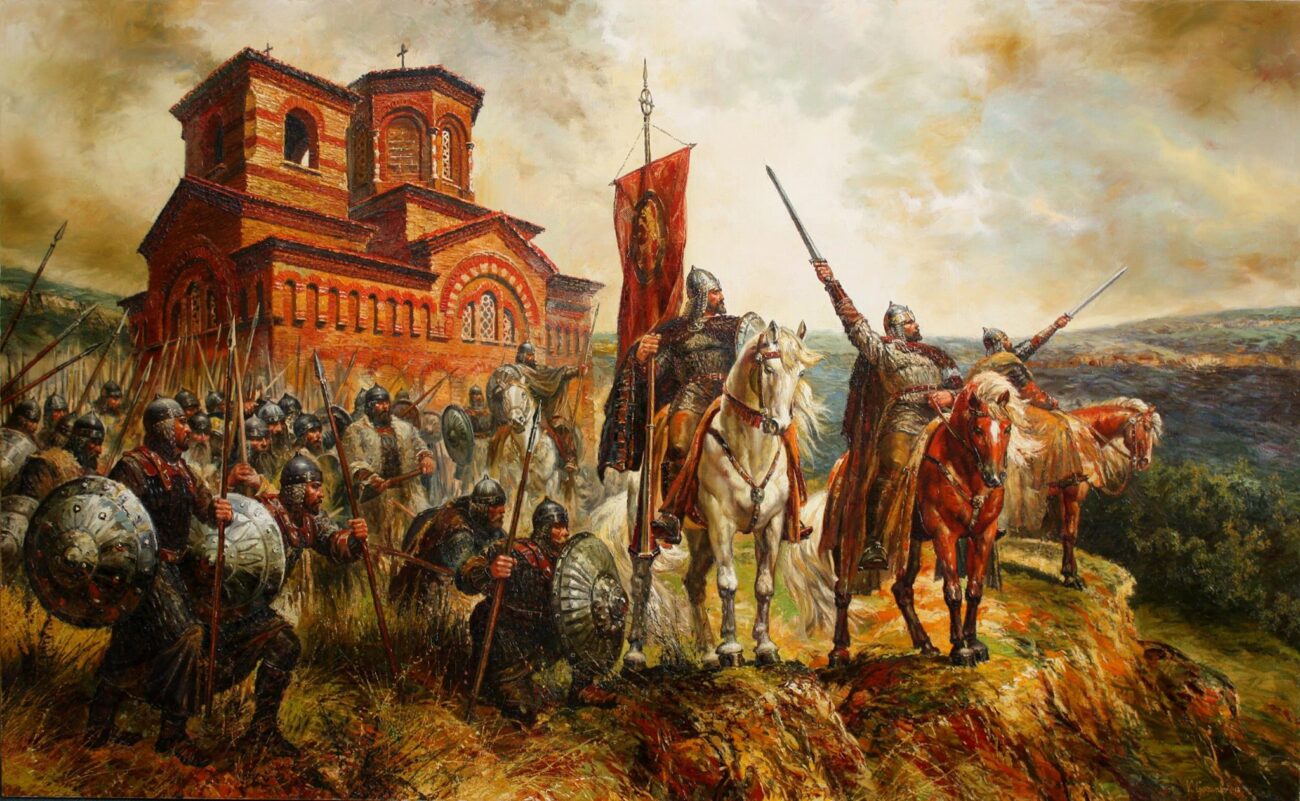
After the arrival of the Bulgars and the founding of the Slavic-Bulgarian state, the Rhodopes often served as a bargaining chip between the thrones of Byzantium and Bulgaria, until at last they remained within the borders of our homeland.
Conquered by the Byzantines (11th century)
At the beginning of the 11th century the Byzantines managed to conquer the Bulgarian state. For 150 years they tried to destroy everything Bulgarian, but they did not succeed.
Bulgaria (12th to 14th century)
At the end of the 12th century the Bulgarians freed themselves and soon created a powerful state that had no rival in the Balkan Peninsula. In this period, as the border between Bulgaria and Byzantium, the Rhodopes gained special strategic importance, which is why many fortresses and towers appeared – Asen's Fortress, Aetos above Smolyan, Podvis east of Ustovo, Perperek near Kardzhali, Ustra at Zlatograd and many others.
Towards the end of the 13th and the beginning of the 14th century, because of cruel feudal exploitation, uprisings broke out in our country and the central authority grew weaker. It was then that the rulers Ivanko and, after him, Despot Slav declared themselves independent in the Rhodopes.
Conquered by the Turks (14th to 19th century)
In the second half of the 14th century the Turkish invasion of the Bulgarian lands began, and of the Rhodopes in particular. The population fought the invaders bravely but, being few and divided, could not hold out. Yet even after the Turks had conquered the Balkan Peninsula, they did not lay down their arms for four decades, and afterwards rose up many times. To subdue these rebels, the Turks forcibly converted most of their population to Islam. Even so, through uprisings and hajduk raids the tireless highlanders gave the Turkish pashas and beys no peace. Among the many patriots and defenders of the people, Momchil Yunak, Mehmed Sinap, Angel Voyvoda, Karadzha Voyvoda, Petko Voyvoda and dozens of others have become legendary.
This led to the April Uprising (1876), in which several Rhodope settlements were completely destroyed and their people massacred. But they became a symbol of the Bulgarian people's struggle for freedom.
People's Republic of Bulgaria (20th century)
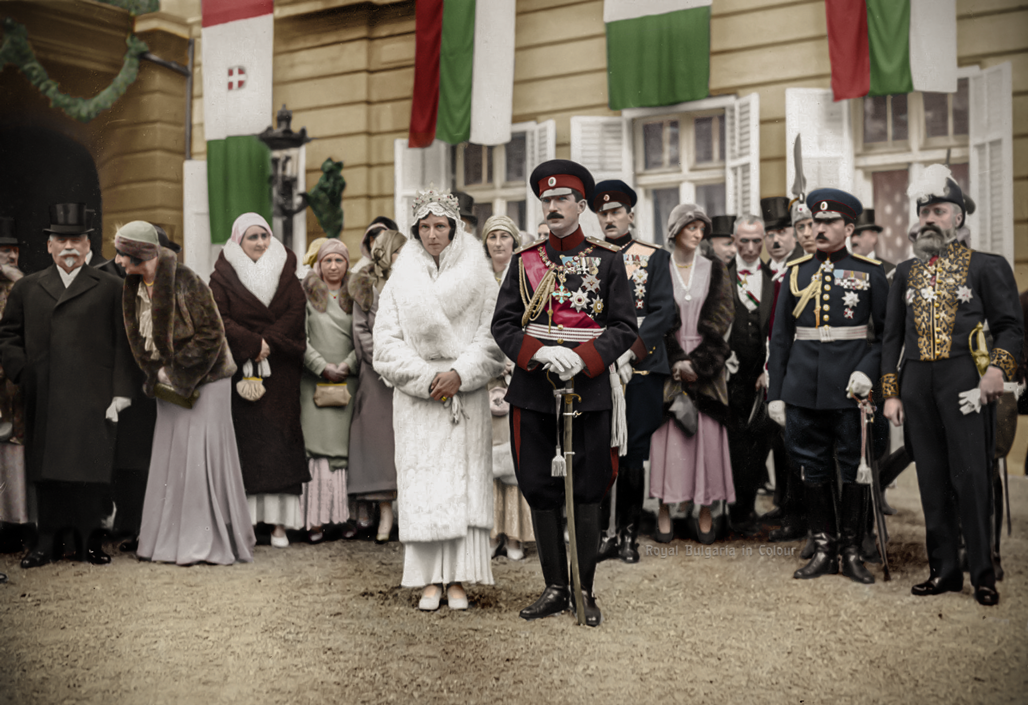
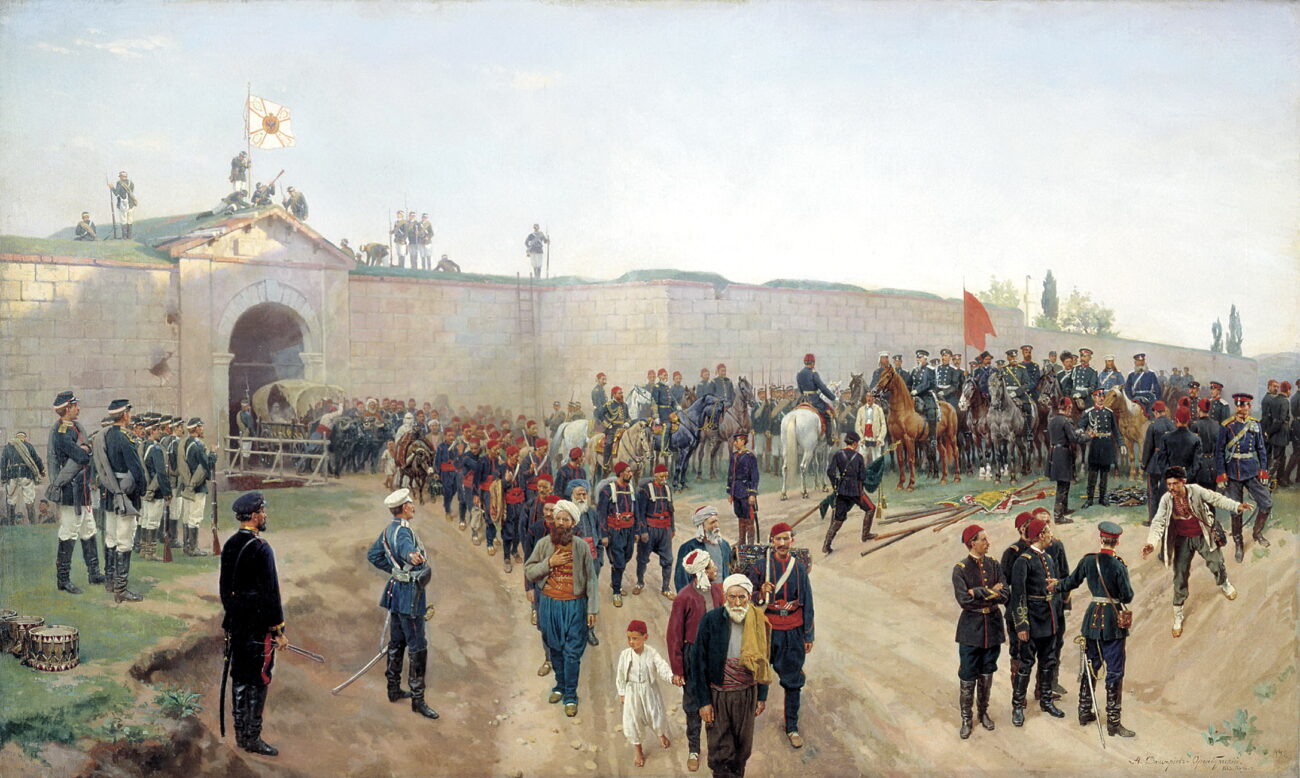
Two years after the April Uprising, Soviet troops liberated Bulgaria from five centuries of Turkish bondage, but a large part of the Rhodopes remained under a foreign yoke because of the shameful Treaty of Berlin. Only in 1912 was almost the whole of the Rhodopes returned to the homeland.
Under bourgeois rule the Rhodopes were a forgotten region. Their people lived in poverty. That is why, during the resistance, they became protectors of the partisans from southern Bulgaria.
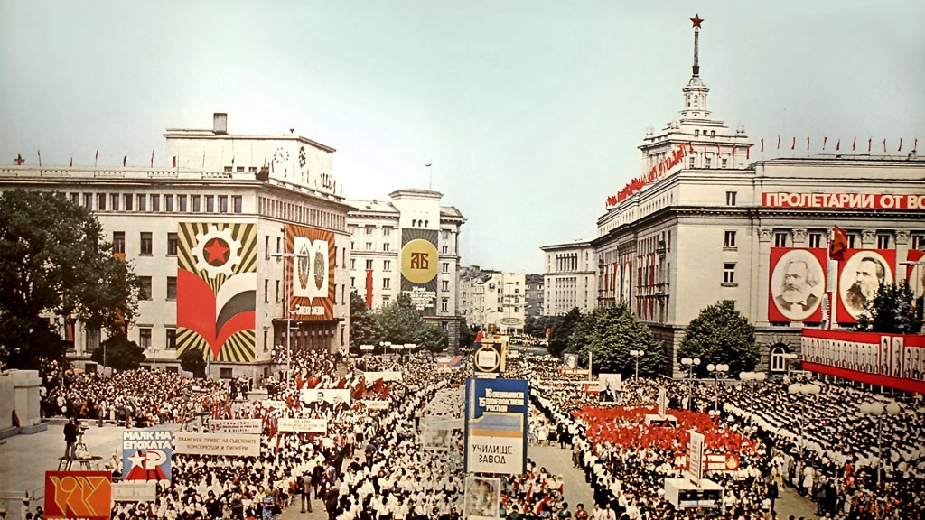
After 9 September 1944, on the basis of the natural wealth and water resources discovered in the Rhodopes, enormous socialist construction unfolded there, changing their face.
In the next few articles we will look in more detail at particular peoples and events (for example: the Thracians, the Slavs…).