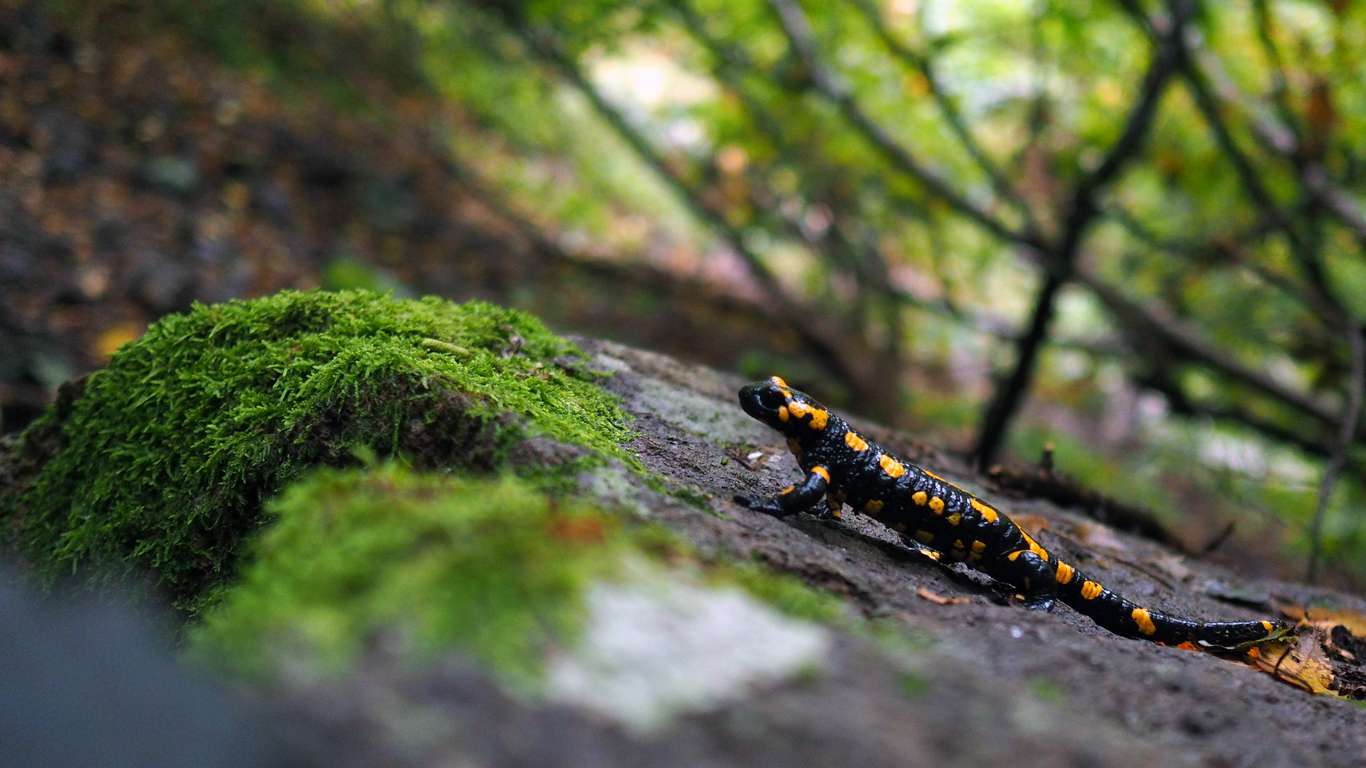
The richness of the plant and animal life of the Rhodopes is largely due to the diversity of their soils and climate.
In terms of plant life, the Rhodopes divide into two large regions. One extensive plant region covers the Western Rhodopes. Here the vegetation is represented by conifers, the most common being spruce and Scots pine. The Eastern Rhodopes, which are under the influence of the Mediterranean climate, form the other region, which is marked by deforestation. In places they are covered with coppice woodland and shrubs, and elsewhere with oak and beech forests.
In the interior of the mountains, in the more sheltered areas, interesting relict plant species have survived from the late Tertiary. They include the fir forests and some orchid species near Chervenata Stena peak above Bachkovo Monastery, Haberlea rhodopensis (silivryak) around the Wonderful Bridges, Sideritis scardica on the Mursalitsa ridge, and others.
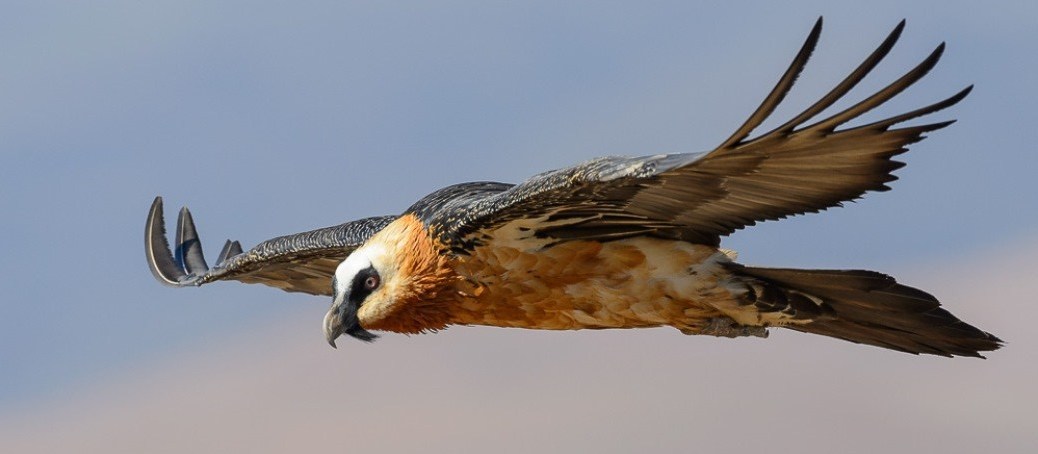
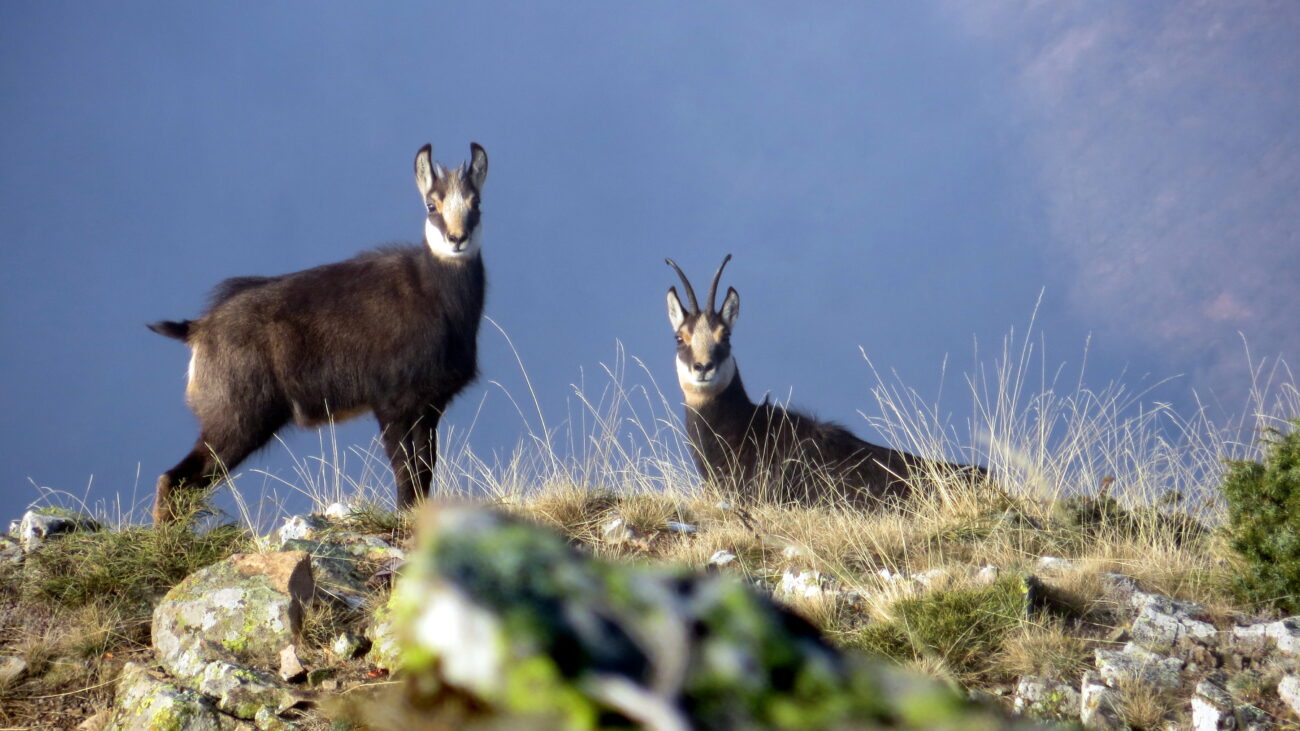
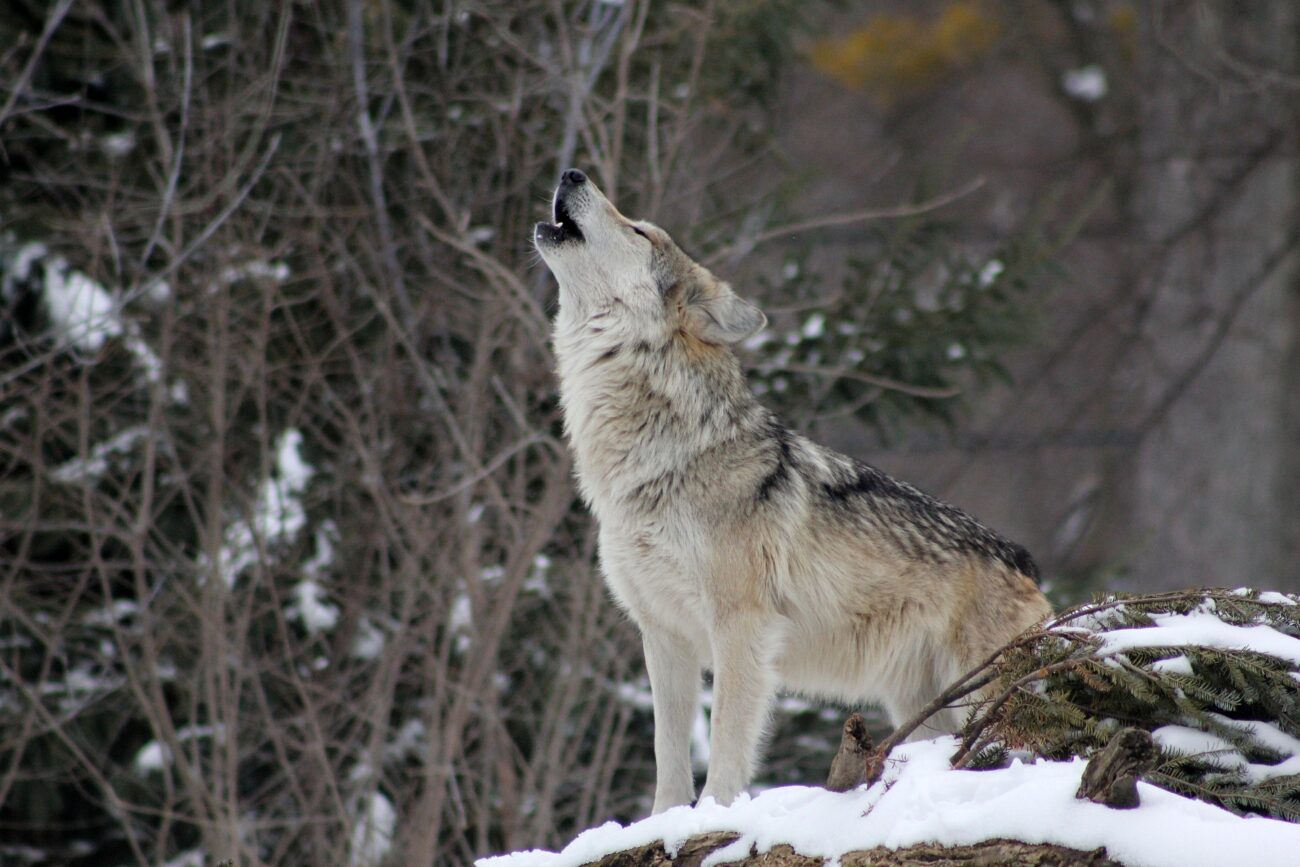
The diversity of animal life in the Rhodopes is also great. Almost all the mammal species typical of Europe are found here, such as bears, roe deer, red deer, wild boar, foxes, hares and others. Among the small mammals, the most common are the hedgehog, the mole, the mouse, the squirrel and others.
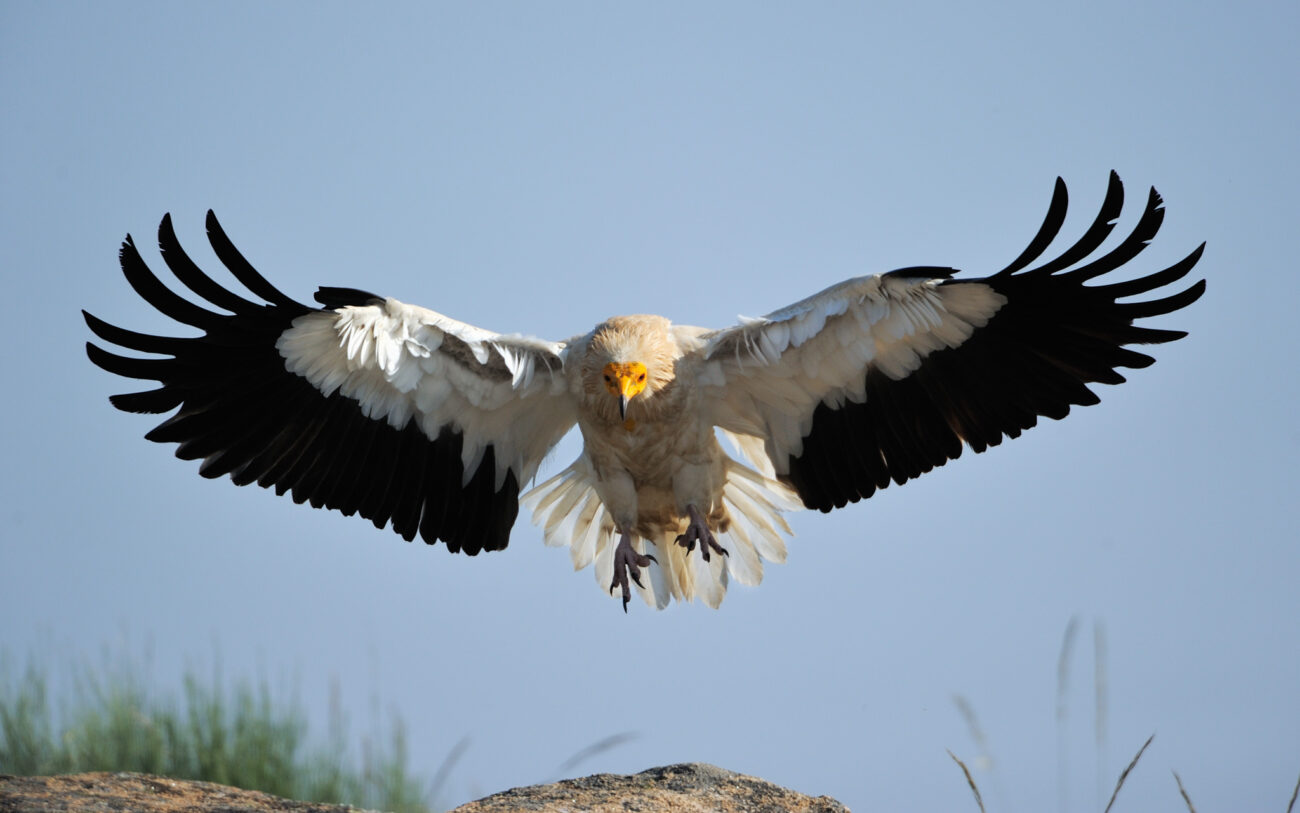
Birdlife is remarkably diverse; among the species worth mentioning are the capercaillie, the hazel grouse, the grey partridge, the rock partridge and others. Recently, wild ducks and geese have begun to nest around the reservoirs.
To preserve the valuable plant and animal species, many kinds of protected areas have been set up in the mountains.