Name
In Bulgarian it is called simply lopatar. The terms are the same as for the red deer (males – stags, females – hinds).
Description
Smaller than the red deer.
- Body length reaches up to 181 cm in stags and 156 cm in hinds
- Height – 80–90 cm.
- Stags usually weigh 70–90 kg, and hinds 35–40 kg.
The fallow deer has a long tail (18–20 cm).
The males have antlers that broaden into a shovel shape, with many points along the back edge of the palm. The females have no antlers.
Their coat is reddish brown in summer and dark greyish brown in winter. In summer fallow deer have distinct oval light spots on the body, which make them especially beautiful. The white colour form is also very common in fallow deer (without this being albinism), and almost black animals are seen as well.
Distribution
In Europe it is found everywhere except the far north. It was introduced to Bulgaria in 1904. In the Rhodopes it was first released in 1960, on the southern shore of the Studen Kladenets Reservoir, where its largest population in Bulgaria is today.
Bulgaria has about 4,300 fallow deer, more than half of them in the Rhodopes. Numbers were highest in 1992 – 7,200.
Biology
The fallow deer ruts a month later than the red deer – in October – and the development of its antlers (their appearance, growth and the shedding of the velvet) lags a month behind. Unlike the red deer, the fallow deer more often ruts on extensive open ground or in sparse woodland. Many deer gather there. The stags often come from considerable distances and leave the rutting ground again after the rut. Peace and safety are the main conditions in choosing these places.
The stags fight fiercely, and young stags have no chance of being allowed to mate. During the rut the stags lose 20–22% of their weight, which is another reason why, after the rut, they withdraw to rest in peace and feed intensively to prepare for winter.
The fallow deer is the least demanding deer species in its choice of habitat. It adapts successfully even to the least productive habitats, with dry, poor soils, little cover and almost no woodland.
Grasses make up a larger share of its diet than in the other deer.
Bred for centuries in enclosures, the fallow deer easily gets used to people and is easy to watch. In the wild, however, it is very wary and does not let people come close.
Natural enemies
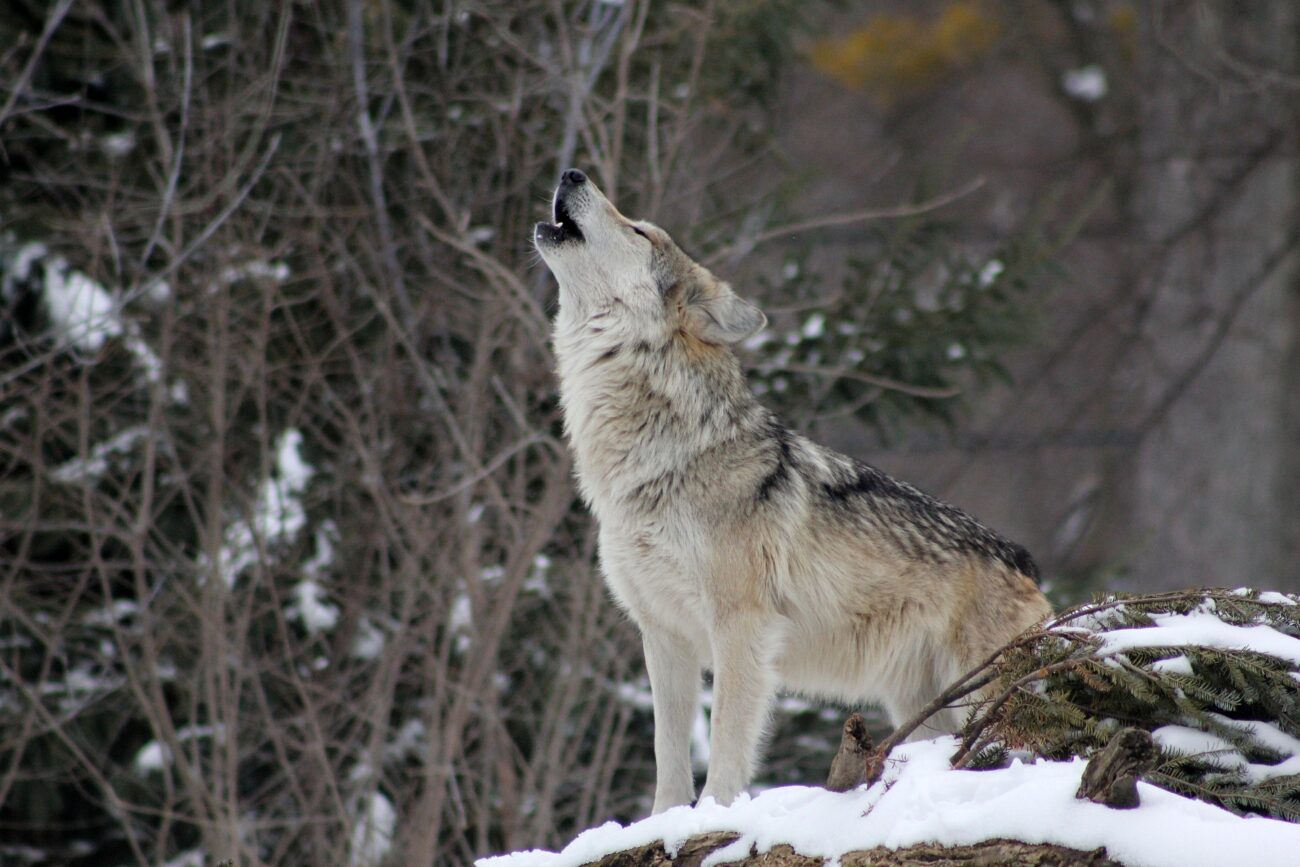
The wolf and the jackal are the natural enemies of the fallow deer, and they do much to keep its numbers in check.
Economic importance
The fallow deer is a valuable resource species. Compared with the other members of the family, it gives the most game meat per unit of area.
It has a handsome hunting trophy. The best trophy from the Rhodopes is 204.96 points (Studen Kladenets – Kardzhali), while the national record is 207.59 points (Voden – Razgrad).