Name
The name sarna (roe deer) is most often used as the name of the species. As a term, however, it is also what we call the female, while the male is called a srandak (roebuck).
Description
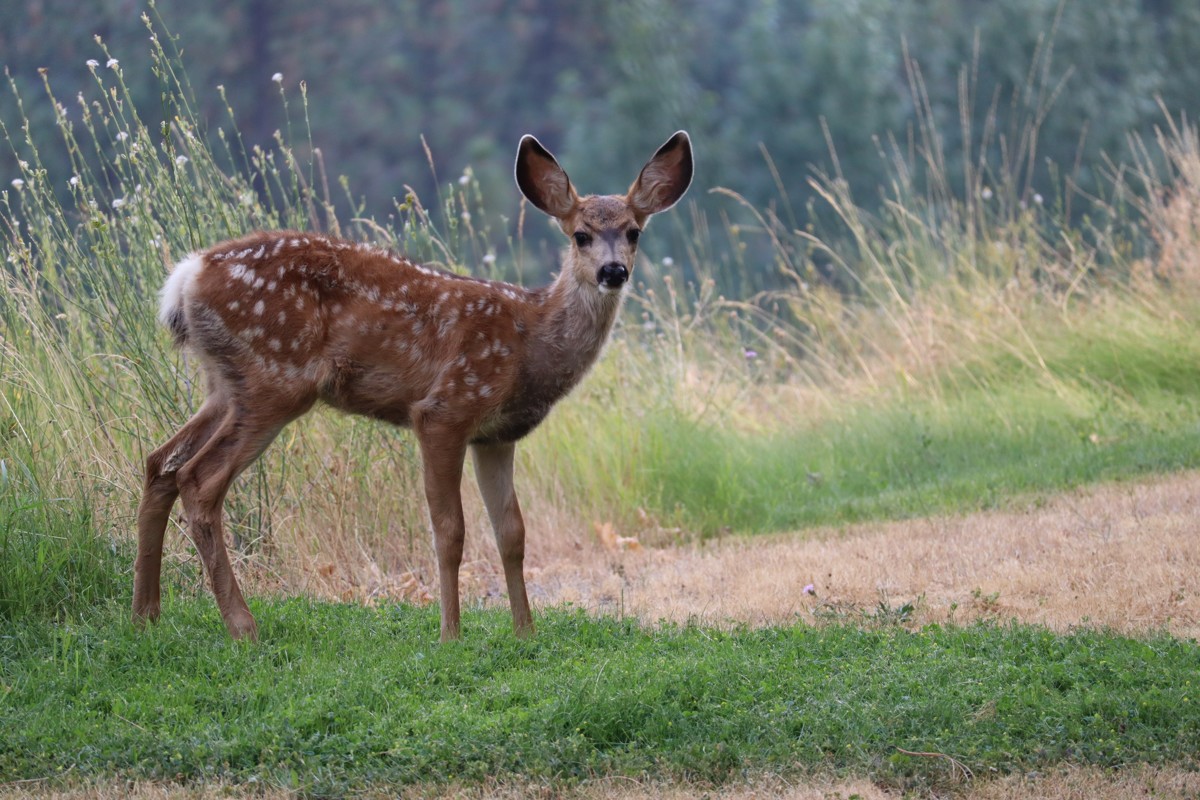
The roe deer is a delicate and graceful animal. The males have antlers, while the females have none and are slightly smaller.
- In the Rhodopes the body length of bucks averages 116.8 cm (107–128), and that of does 112 cm.
- Height is 72.6 cm in bucks and 73 cm in does.
- In the Rhodopes bucks weigh 26.1 kg (20–34), and females 24.5 kg.
In summer the roe deer's coat is reddish, and in winter greyish red.
Distribution
The roe deer is found in Europe and North Africa. It does not occur in the far north of Scandinavia and Russia. In Bulgaria it lives both in open country dotted with small copses and in all the mountains up to the tree line. The density of roe deer in the Rhodopes is very low.
Biology
The roe deer ruts in summer, from mid-July to mid-August. The buck chooses a small glade or a very open patch of forest on level ground and marks it with his particular scent and his characteristic mating call. Roe deer do not form harems.
The doe stays with the buck she has chosen, and he mates with her after a long chase around a stone, a tree or some other local landmark. The chase runs in a regular circle or ellipse and is clearly traced on the ground (the so-called samodivski kolela, or fairy rings).
If the buck catches the doe, he mates with her; if not, she escapes and goes off to look for another, stronger partner. This is how natural selection works in roe deer, without the fierce mating fights that eliminate weaker males in the other deer.
The doe gives birth to one or two fawns and, very rarely in Bulgaria, three. Just a few hours after birth they already follow their mother. They stay together all summer. Less often they join other mothers and their young.
The roe deer has the widest diet of all the deer. In the Rhodopes the foods that matter most in its natural diet are bilberry, bramble, fir, grasses, cowberry, oak, Scots pine, spruce, mushrooms and so on.
Natural enemies
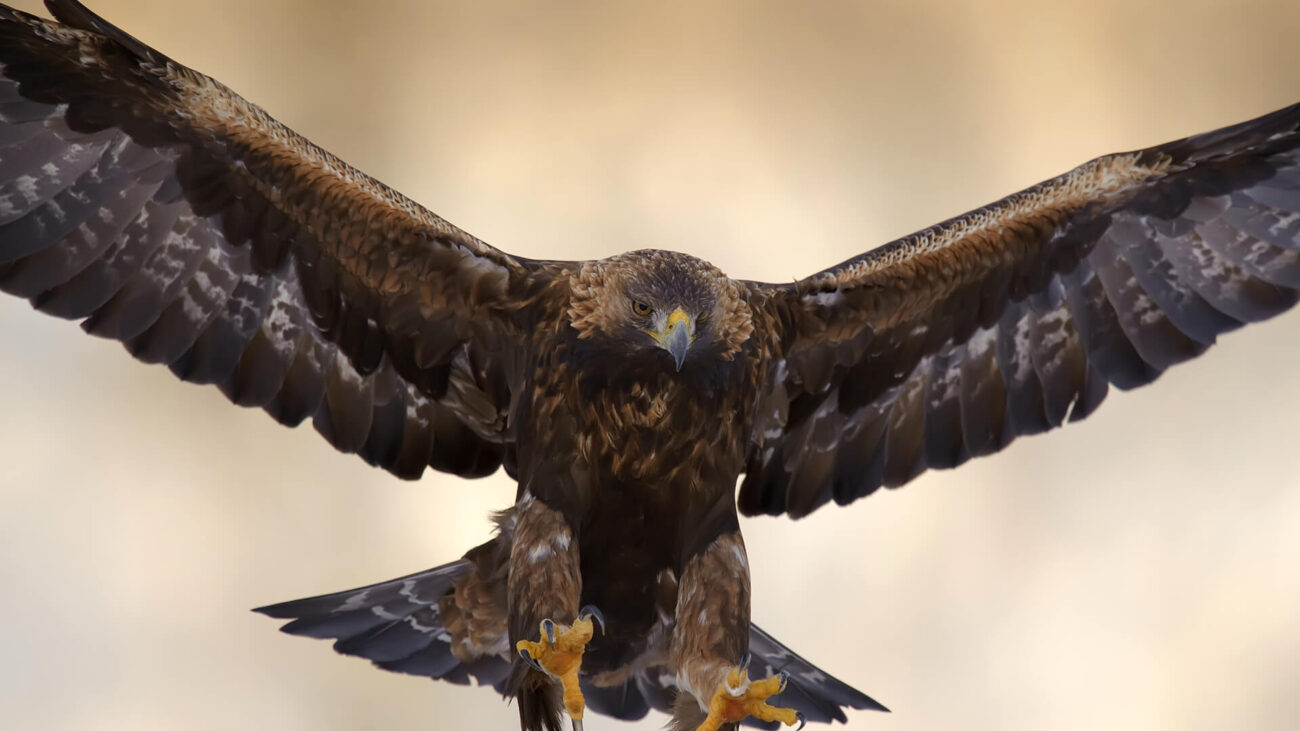
The roe deer has many natural enemies – wolves and jackals – while the young fawns are attacked by pine martens, stone martens and polecats, as well as by large birds of prey. These, together with poaching, are the main reason for the low density of roe deer in the Rhodopes.
Economic importance
A key game resource species in Europe. In Austria and Germany alone, almost 1.5 million roe deer are shot every year. Of all the European game species, it has the most wholesome meat.
The national record is 184.05 points, taken at Valchi Dol (Varna area) in 1984. No trophy taken in the Rhodopes has yet won a gold medal at a trophy exhibition.